Hard Chrome Plating
What Is Hard Chrome Plating?
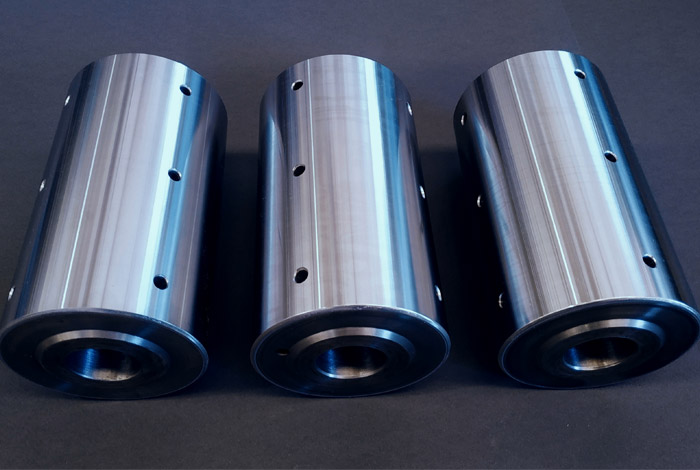
Hard chrome plating is an electroplating process that involves applying a layer of chromium to a surface by submerging it in a chromic acid solution. Hard chrome plating can increase the durability, hardness, wear resistance and corrosion resistance of metal components for more effective use in machinery and equipment.
- Excellent adhesion
- Low friction
- Wear and abrasion resistance
- Corrosion resistance
What Is Hard Chrome Plating?
- Surface preparation is generally done through chemical cleaning, sandblasting, etc.
- This process ensures that the metal is free of any rust, impurities, oil, contaminants, or existing coatings that can hinder the result.
- Surface preparation is generally done through chemical cleaning, sandblasting, etc.
Step 2: Masking (if needed)
- After surface preparation, the metal piece is moved for masking if needed.
- This process includes covering metal component areas that do not require hard chrome plating.
- The masking process is achieved through particular materials that are only used for this process, including plastic tape, metal tape, or wax. By doing so, the metal component is kept safe from the process.
Step 3: Electroplating Bath Setup
- The next step of this process is preparing a bath for electroplating. The bath is usually a chromic acid solution that is used in the electroplating process.
- The metal component is submerged or soaked in an electroplating tank filled with electrolyte solutions that mostly include hexavalent chromium ions Cr6+.
- A hexavalent chromium bath can include a different electroplating process, including an activation bath, chromium bath, rinse, and second rinse. However, this process is seldom used due to its lower efficiency in plating the metal rod.
- The solution also includes other chemicals like sulfuric acid, which is used in the electroplating process.
Step 4: Electroplating
- Electroplating is the process in which the metal component that needs to be plated is connected to the cathode, which is the negative terminal, and the substance you want it to be plated with is placed in the anode i.e. positive terminal.
- The substances used are usually made of lead or any other insoluble lead alloys.
- When current is passed through the tank filled with solution, it causes the chromium ions to move and settle on the metal surface.
Step 5: Build-Up Layer
- Now that the process of electroplating is started, it continues to follow the procedure until the metal component achieves the desired thickness.
- This process is called building up the layer. It can take several hours or more to complete and finish the hard chrome plating of the metal surface.
- Building up layer is a crucial process because it crafts the final and overall characteristics of hard chrome-plated metal.
Step 6: Post-plating Treatments
- Having completed the layer-building process, the next is post-plating treatment. This process includes various treatments that include passivation, de-oxidation, and rinsing.
- The overall goal of treatment is to improve the metal component’s resistance feature and appearance.
- This step is crucial for machine components that would undergo harsh environmental conditions.
Step 7: Final Inspection
- After the chemical procedures, the quality inspector puts the metal component through a quality check.
- This process ensures that the metal has achieved the desired quality standards after hard chrome plating.
- The quality check generally includes the inspection of surface finish, adhesion, thickness, and any other custom requirements that are added to the metal component.
Step 8: Polishing And Finishing
- his step in a hard chrome plating process is optional as it is often used for decorative applications.
- The polishing and finishing steps aim to achieve a smooth and highly reflective hard chrome-plated surface.
- It further provides a better aesthetic appeal for your product and reduces friction on the metal surface. It is also a great way to achieve dimensional accuracy after the hard chrome plating process.
After the hard chrome plating process, the metal piece undergoes a final inspection process that looks at overall quality and thickness after polishing. The inspection ensures that the metal piece is uniform and ready to ship to the customer. This process can differ depending on the hard chrome plated rod manufacturer’s regulations or needs.